
Hospice Care
Coordinated Hospice Services: How Fairfield County House Works With Your Hospice Agency

Families often begin exploring hospice care during one of the most emotionally difficult periods of life. Decisions may need to happen quickly, and the healthcare system can feel unfamiliar and overwhelming at the same time.
One of the most common sources of confusion is understanding who actually provides hospice care. Many families assume hospice is handled entirely by one organization. In reality, coordinated hospice care in Connecticut is often built around a partnership model where multiple providers work together to support the patient and family.
At Fairfield County House, this model is designed to create a more connected and supportive experience. Through a structured hospice agency partnership, families receive both medical hospice services and residential support within one coordinated system.
Instead of navigating separate providers independently, care is aligned around comfort, dignity, and quality of life. Understanding how this partnership works can help families feel more informed and less overwhelmed as they make important care decisions.
What is Coordinated Hospice Care in Connecticut?
Coordinated hospice care in Connecticut is a collaborative approach where a licensed hospice agency and a residential hospice provider work together to deliver end-of-life care. Each team has a distinct role, but both operate under a shared care plan focused on the patient’s comfort and well-being.
This model helps create continuity during a time when families often feel emotionally and physically exhausted. Rather than managing communication between multiple providers themselves, families benefit from a more unified system of care.
The hospice agency is responsible for the medical and clinical side of care. Licensed hospice professionals oversee symptom management, medication coordination, and ongoing clinical evaluations. Services provided by the hospice agency may include:
- Nursing visits and assessments
- Pain and symptom management
- Physician oversight
- Medication coordination
- Medical equipment support
The focus is not curative treatment, but helping patients remain as comfortable and supported as possible throughout the progression of illness.
The Role of Fairfield County House
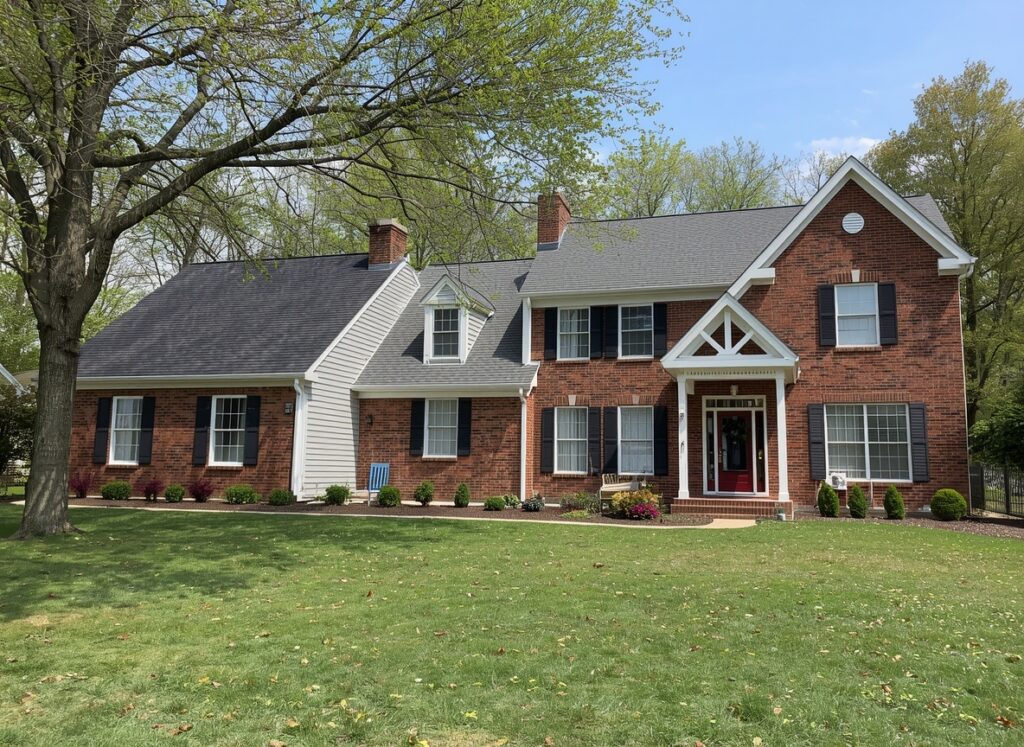
Fairfield County House provides the residential setting where care takes place. The goal is to create an environment that feels calm, safe, and supportive for both patients and families.
In addition to maintaining a peaceful environment, Fairfield County House helps support daily routines, patient comfort, and continuity between hospice visits. Staff members provide ongoing presence and communication, ensuring that care remains consistent throughout the day and night.
This layer of support often becomes especially important as care needs increase.
How does the Partnership Work Together?
The strength of coordinated hospice care comes from communication and collaboration. Hospice clinicians and Fairfield County House staff work together under a shared care approach, regularly discussing changes in condition, comfort needs, and family concerns.
This coordination helps reduce care fragmentation. Families are not left trying to relay information between providers or navigate separate systems on their own. Instead, care feels more connected, organized, and responsive, making an enormous difference during emotionally difficult moments.
The partnership model also allows families to focus less on logistics and more on spending meaningful time with their loved one.
What Services are Included in Coordinated Hospice Care?
Coordinated hospice care combines medical support, residential care, and emotional guidance into one integrated experience. Each part of the partnership contributes to the patient’s comfort while also supporting the family throughout the process.
Because care needs often change over time, this coordinated structure helps ensure support remains consistent and adaptable.
Medical and Symptom Management Support
The hospice agency oversees the patient’s clinical care needs and adjusts support as conditions evolve. This includes pain and symptom management, medication monitoring and adjustments, and nursing care and assessments.
Moreover, it ensures coordination with physicians and specialists to provide a comfort-focused treatment plan. The goal is to proactively manage discomfort and reduce unnecessary hospitalizations whenever possible.
Residential and Daily Support
While hospice agencies provide medical oversight, Fairfield County House provides the environment where daily care continues between clinical visits. Patients benefit from:
- A quieter, home-like setting
- Assistance with daily comfort needs
- Continuous observation and support
- Peaceful spaces for rest and family visits
Unlike traditional clinical environments, the setting is intentionally designed to reduce stress and create a greater sense of calm.
Emotional and Family Support
Hospice care extends beyond physical care alone. Emotional support is an important part of the overall experience for both patients and loved ones. Families often receive support through:
- Ongoing communication and care updates
- Guidance during transitions in care
- Emotional reassurance and presence
- Coordination with bereavement or grief resources when needed
This support helps families feel less isolated while navigating difficult emotions and decisions.
Together, these services create a more complete care model — one that supports the medical, emotional, and practical realities of end-of-life care.
Why a Hospice Agency Partnership Improves End-of-Life Care?
End-of-life care can quickly become overwhelming when communication is fragmented or responsibilities are unclear. Families may feel caught between providers while also trying to manage the emotional weight of caregiving.
The hospice agency partnership model helps reduce that burden by creating a more connected and coordinated care experience.
Reducing Stress for Families
One of the greatest benefits of coordinated hospice care is that families do not have to manage every detail on their own. Since Fairfield County House and hospice agencies communicate directly, care decisions and updates happen more efficiently.
Families spend less time coordinating logistics and more time focusing on their loved one. That shift can create meaningful emotional relief during an already difficult time.
Improving Continuity of Care
When providers work independently, important details can sometimes become delayed or disconnected. The partnership model helps prevent those gaps by keeping communication ongoing and aligned.
Changes in symptoms, medications, or comfort needs can be addressed more quickly because the care team is already working collaboratively. This continuity creates greater stability for both patients and families.
Creating a More Human-Centered Experience
Medical care is only one part of hospice support. Environment, communication, and emotional presence also shape how families experience this stage of life. By combining clinical expertise with residential support, the partnership model creates care that feels more personal and less institutional.
Patients receive professional medical oversight while remaining in a setting centered around comfort, dignity, and connection. That balance is often what families remember most. The result is not simply better coordination, but a more compassionate overall experience.
How Fairfield County House Supports Coordinated Hospice Care?
Fairfield County House was designed to complement hospice medical services by providing the residential stability and day-to-day support families often need. The focus is not only on care delivery, but on how that care feels for everyone involved.
This approach helps create a more supportive environment during one of life’s most sensitive transitions. The physical environment can have a significant impact on emotional well-being during end-of-life care.
Fairfield County House provides a quieter and more home-like setting than many traditional healthcare environments. Patients and families have space for rest, conversation, and connection without the constant activity often associated with hospitals or larger facilities.
This atmosphere helps reduce stress while creating a greater sense of peace and privacy.
Moreover, Hospice clinicians may visit regularly, but patients often need support throughout the entire day and night. Fairfield County House helps provide that continuity through ongoing observation, daily assistance, and consistent presence.
Staff members help ensure patients remain comfortable while also communicating with hospice providers about any changes or concerns. This additional layer of support helps care remain proactive rather than reactive.
Coordinated care also helps relieve some of the pressure from families navigating hospice care. Rather than managing multiple providers independently, families are supported by teams already working together.
Questions are easier to answer. Communication feels more consistent. And difficult moments feel less isolating. This support allows families to spend more time being present with their loved one rather than focusing entirely on caregiving responsibilities.
Ultimately, Fairfield County House helps create an environment where medical care and emotional support work together instead of separately.
Common Misunderstandings About Hospice Agency Partnerships
Many families enter hospice care with understandable fears and misconceptions. Clarifying how coordinated hospice care works can help reduce uncertainty and make decisions feel less overwhelming. Understanding the partnership model is often an important part of that process.
“Hospice Means Giving Up”
This is one of the most common misconceptions surrounding hospice care. Hospice is not about stopping care.
It is about shifting the focus of care. Instead of pursuing aggressive curative treatment, the goal becomes improving comfort, managing symptoms, and supporting quality of life. Care remains active, compassionate, and highly involved.
“Only One Provider Is Involved”
Families are often surprised to learn that hospice care can involve multiple coordinated providers working together. In this model, the hospice agency oversees medical care while Fairfield County House provides the residential environment and daily support.
Both teams communicate regularly and operate under the same overall care goals. This collaboration is intentional and designed to strengthen continuity of care.
“Families Lose Their Role in Care Decisions”
Families remain an essential part of the care process throughout hospice. The partnership model is designed to improve communication and support family involvement, not replace it.
Families continue to participate in discussions, ask questions, and remain connected to important care decisions. In many cases, the added coordination actually helps families feel more informed and supported.
Understanding these distinctions often helps reduce fear and allows families to approach hospice care with greater confidence and clarity.
A More Connected Approach to Hospice Care
When families first begin exploring hospice services, the process can feel unfamiliar and emotionally overwhelming. Understanding how coordinated hospice care works can bring greater clarity and reassurance during an already difficult time.
At Fairfield County House, the partnership model is designed to ensure patients receive both clinical hospice services and consistent residential support within one connected system. Instead of fragmented care, families experience communication, continuity, and compassion working together.
Because during end-of-life care, support matters most when it feels coordinated, personal, and deeply human.
FAQ: Coordinated Hospice Care Connecticut
What is coordinated hospice care in Connecticut?
Coordinated hospice care is a collaborative care model where a residential provider and a licensed hospice agency work together to deliver end-of-life support. It combines medical hospice services with daily residential and emotional care.
How does a hospice agency partnership work?
The hospice agency provides medical oversight, symptom management, and nursing services, while Fairfield County House provides the residential environment and day-to-day support. Both teams communicate regularly under a shared care plan.
Do families still participate in care decisions?
Yes. Families remain actively involved throughout the care process. The coordinated model is designed to strengthen communication and make family involvement easier.
Is hospice care only for the final days of life?
No. Hospice care may begin when a patient has a life-limiting illness and treatment goals shift toward comfort-focused support. Care can continue for weeks or months, depending on individual needs.
Can Fairfield County House work with different hospice agencies?
Fairfield County House collaborates with licensed Medicare-certified hospice agencies serving Connecticut, depending on patient needs and provider availability.

Fairfield County House Blog
More from our team.
Insights, guidance, and stories from the heart of our community.